Welcome!
The Program for Research & Innovative Surgical Methods in Oncology (PRISM Oncology) are a group of researchers dedicated to improving the outcomes of patients requiring cancer surgery within Southeastern British Columbia.
Research & Innovation
What type of research is being performed?

Clinical trials
Enrolling patients within studies that investigate new approaches to surgery, that will minimize the effects of surgery and/or improve outcomes

Health Services Research
Assessing the current ways in which health care is delivered, and using data to identify strategies for improvement

Innovation
Investigation and early adoption of novel approaches to
cancer surgery
Our Mission
Improving the lives of cancer patients through high quality, regionally focused research and innovation.

How do we Accomplish our Goals?


Health Services Research
This field of research investigates how health systems are performing, and identifying ways to improve quality, access, and reduce cost. This requires large amounts of patient related information that we are curated with the development of the BREST Registry. This will allow us to evaluate breast cancer surgical care in our region, addressing any gaps, as well as ensuring they are receiving the most up to date treatment.
Clinical Trials
Cancer treatment is rapidly changing, requiring constant re-evaluation of how we are doing things. Recent studies include RUBY, which investigated the genetic predisposition and unique challenges faced by young women dealing with breast cancer. Patients diagnosed with melanoma skin cancer have also been enrolled in a the ME-15 study which evaluated the safety of removing less normal tissue around the cancer. Recently, ARMOUR has opened to enrollment, which is a study investigating de-escalation of axillary surgery in some patients with breast cancer. We are constantly looking into new trials and studies that can improve the well being of our patients, years before they become the standard of care.
Innovation
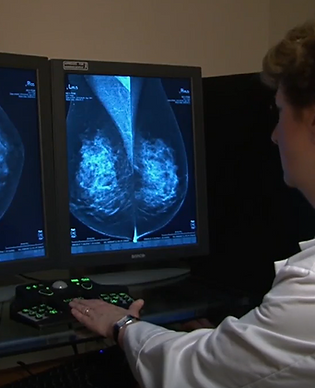
Recently a novel procedure, (Lymphovascular anastomosis) was implemented to reduce the side effects associated with lymph node surgery in patients with breast cancer and melanoma. Currently PRISM is investigating ways in which AI may be used to both help radiologists read mammograms, as well as guide cancer surgeons when removing breast cancers.
Patient Centered Care
While cure of cancer is the overarching goal, we also need to ensure patients we understand the impact of our treatment on patients, and tailor their care according to what they value most. Examples include research into Patient Reported Outcomes in patients undergoing breast cancer treatment. We have evaluated patients perspectives on outcomes following breast surgery, as well new surgical approaches, including oncoplastic breast conserving surgery. Furthermore, it is important that we fully understand the implications of treatment, ways to assess and measure, as well as intervene early. A current study, SLEDS, is evaluating lymphedema rates following certain types of axillary surgery, as well as evaluating the impact on shoulder function, and quality of life. This is a multi-disciplinary study between Surgical Oncology, BC Cancer Rehabilitation Medicine, and oncology nursing.